30 Days of Wearing Joy: My Honest Take on the Color-Your-Mood Fashion Experiment
Why I Decided to Stop Playing It Safe
Okay, real talk: my closet used to be basically a grayscale situation. Black jeans, white tees, the occasional camel coat when I was feeling extra adventurous. I told myself it was chic. Minimalist. Timeless. But honestly? It was safe. And somewhere around February, staring at yet another beige outfit in the mirror, I thought — what if I just... didn't?
That's when I fell down a rabbit hole of dopamine dressing content. The idea is pretty simple: wear colors and patterns that make you feel something. Not what's trending, not what's slimming, not what photographs well for Instagram. Just clothes that give you a little hit of happiness the moment you put them on. Sounds almost too easy, right? I was skeptical. But I committed to a full 30 days, documented everything, and here's what actually went down.
What Dopamine Dressing Actually Means (It's Not Just About Being Loud)
Before I started, I did a little research because I'm a nerd like that. The psychology behind color and emotion is genuinely fascinating. Studies in environmental and behavioral psychology suggest that color exposure can influence mood, energy levels, and even how others perceive and interact with you. Warm tones like yellow and orange are often linked to optimism and energy. Blues and greens tend to evoke calm. Red? Confidence and power.
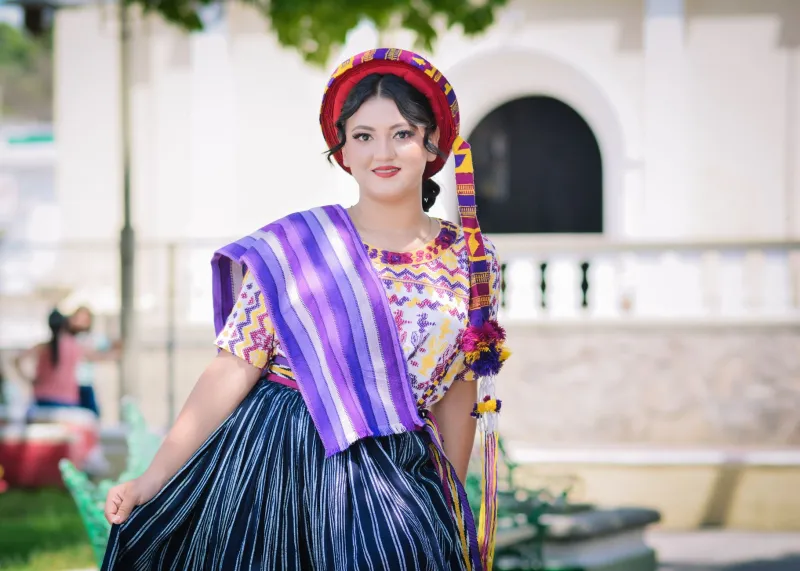
But dopamine dressing isn't a prescription. It's not "wear yellow, feel happy." It's more personal than that. It's about tuning into your emotional response to what you put on your body. For some people, a hot pink blazer is pure joy. For others, it might be a floral midi skirt or a cobalt blue sweater. The point is intentionality — choosing clothes as a form of emotional self-expression rather than just covering your body on autopilot.
With that framework in mind, I went shopping (responsibly — mostly thrifting and pulling things I already owned but never wore), and I built out 30 days of outfits that made me feel something.
Week One: The Awkward Phase Is Real
I'm not going to sugarcoat it. The first week was weird. I wore a mustard yellow wrap dress to run errands on a Tuesday and felt like I was in a costume. I got a compliment from the woman at my coffee shop and instead of saying thank you, I said "Oh, it's just an experiment." Why did I feel the need to explain myself?!
That reaction told me something. I had internalized the idea that dressing expressively required justification. That was the real discovery of week one — not anything about the clothes themselves, but about my own relationship to visibility.
Standout outfits that week included a cobalt blue wide-leg trouser paired with a striped boatneck top (very French, very fun), and a vintage floral blouse I'd bought two years ago and literally never worn. Both got compliments. More importantly, both made me smile at my own reflection, which is rarer than it should be.
Week Two and Three: Something Started to Shift
By the second week, I stopped feeling like I was in costume. The colors started feeling like mine. I noticed I was waking up and actually looking forward to getting dressed, which, for someone who used to treat it as a chore, was kind of a big deal.
Week three is where things got interesting. I was going through a genuinely stressful stretch — work deadlines, some personal stuff, the usual life chaos. And I noticed that on the mornings I really leaned into a bold outfit — a cherry red cardigan, a printed wrap skirt — I moved through the day with a slightly lighter energy. Was it the outfit? Was it the ritual of choosing it intentionally? I honestly can't fully separate the two, and maybe that's the point.
A few outfits from this stretch that I loved:
- The Power Combo: Emerald green blazer + white straight-leg jeans + gold jewelry. Wore this to a meeting and felt like I could negotiate anything.
- The Weekend Treat: Vintage-style floral sundress with a denim jacket and white sneakers. Effortless and genuinely joyful.
- The Risk: A head-to-toe tonal lavender look. Lavender top, lilac trousers. Terrifying to put together, absolutely worth it.
Week Four: My Wardrobe Verdict
By the final week, I had fully stopped thinking of bold color as a statement. It just felt like getting dressed. And that normalization was maybe the most meaningful outcome of the whole experiment.
Did dopamine dressing cure my anxiety or fix my bad days? No, and I'd be lying to you if I said it did. But it did give me a daily ritual of intentionality. It made me ask, every morning, how do I want to feel today? That question alone — before I even opened my closet — shifted something.
So Is It Worth It? My Honest Conclusion
If you're expecting dopamine dressing to be a mental health solution, pump the brakes. It's not therapy. But as a daily practice of self-expression and intentional joy? It's genuinely underrated.
What I kept: the habit of choosing clothes based on emotional resonance rather than default. The mustard dress. The cobalt trousers. A new appreciation for color that I didn't have before.
What I let go of: the idea that my wardrobe needs to be cohesive, safe, or explainable to anyone else.
If you've been eyeing that printed blouse or those bright green loafers and talking yourself out of it — consider this your sign. Wear the thing. See how it feels. Worst case, you change your outfit. Best case, you change your whole morning.